
My First Taste of Tyre Smoke - Photographing Drifting for the First Time
Over the past few years, I’ve been fortunate enough to photograph a wide range of motorsport series, from the intensity of BTCC to the endurance battles that come with long distance racing. But despite covering so many different disciplines, there was one side of motorsport I had never properly experienced from behind the camera and that was drifting.
I’d briefly photographed drift cars at the Goodwood Festival of Speed before, but never at a dedicated drift event where the entire focus was tyre smoke, angle, and style. That changed when I headed to Anglesey Circuit for Drift Matsuri, a two day event packed with nonstop drifting action.
Going into the weekend, I knew drifting would present a completely different challenge photographically. Capturing speed and atmosphere is essential in drift photography, and unlike circuit racing, using extremely high shutter speeds can actually work against you. Freezing the wheels completely removes the sense of motion and makes the cars feel static.
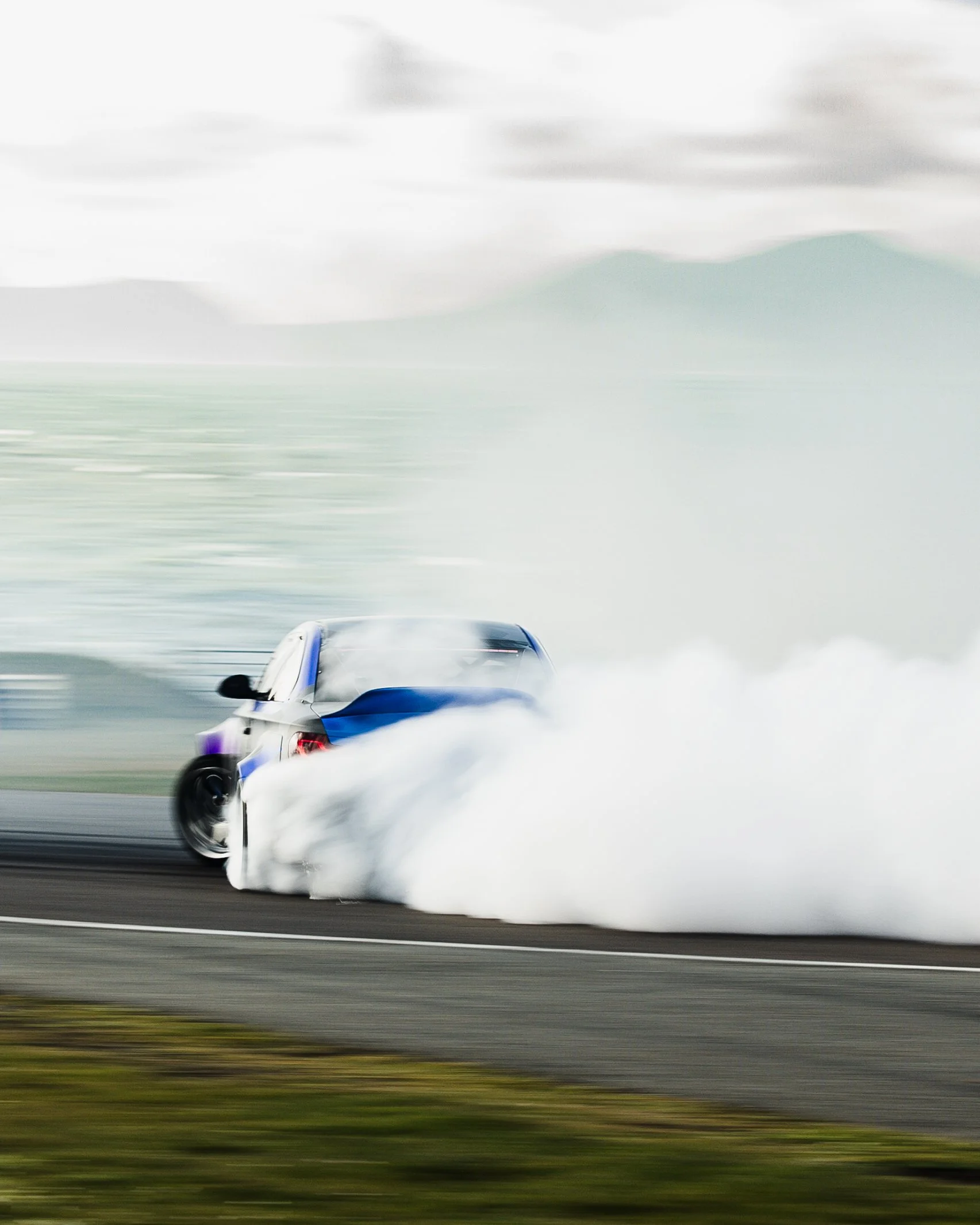
I understood the theory before arriving at the circuit, but I’ll admit I felt slightly out of my depth at first. I’ve spent years panning race cars and capturing sharp images at speed, but drifting adds another layer of difficulty entirely. Thick clouds of tyre smoke constantly fill the frame, making autofocus far less predictable and forcing you to adapt quickly.
The weather for the weekend could not have been much better, dry, sunny, and bright, although the strong coastal wind at Anglesey definitely made itself known throughout the event. Drift Matsuri also made full use of the circuit, running across three different layouts over the two days, which kept things fresh from both a driving and photography perspective.
It took me a little while to find my rhythm trackside. From the beginning, my goal was to pan most of the on track shots to properly capture the movement and aggression of drifting. My first few attempts felt slightly flat, so I gradually lowered my shutter speed and started pushing myself creatively.
That’s when things began to click.
The slower shutter speeds brought the images to life. Wheel blur, smoke trails, and movement all combined to create photos that actually felt like drifting rather than simply documenting cars sideways.
What surprised me most throughout the weekend, though, was the atmosphere. Drifting has such a unique energy compared to other forms of motorsport. The paddock felt relaxed and welcoming, and everyone from drivers to spectators seemed genuinely passionate about the scene. It created an environment that was incredibly enjoyable to work in as a photographer.
After a long first day at the circuit, I headed to my “accommodation” for the night, the back seat of my car parked in a lay by nearby. Not exactly luxury, but part of the adventure nonetheless.
Day two began with an incredible sunrise over the circuit. Before the track action started, I spent some time wandering through the paddock capturing static shots of the drift cars in the early morning light. Those quieter moments before engines fire into life often end up being some of my favourite images from a race weekend.
As the drifting resumed, I spent most of the second day refining the techniques I’d experimented with on day one. I pushed myself further with slower pans and more creative compositions, trying to make each shot feel different from the last.
By the end of the weekend, I was completely hooked.
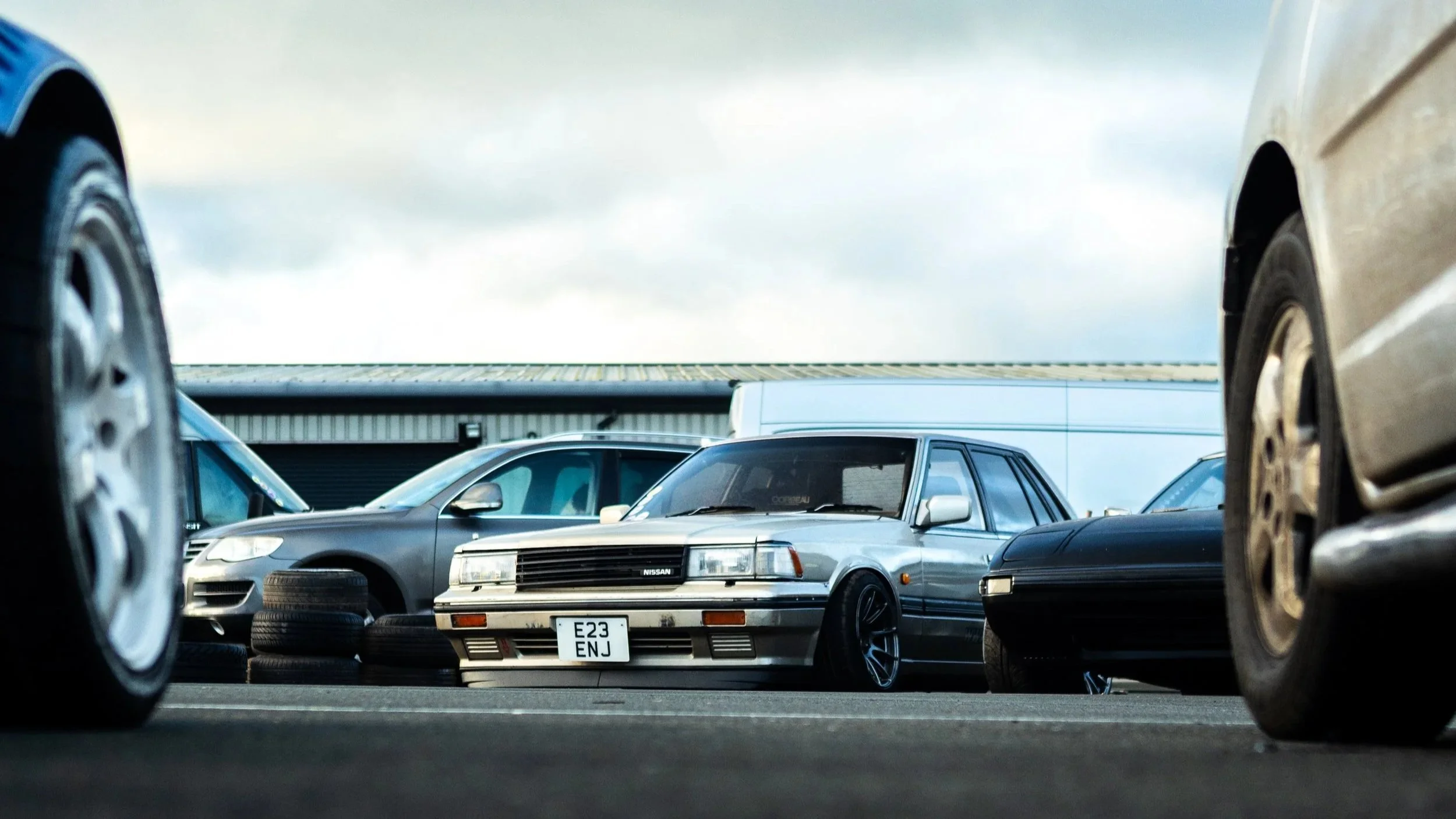
What started as my first real experience photographing drifting quickly became a new passion. The combination of speed, noise, smoke, and style makes it one of the most visually exciting forms of motorsport to shoot.
That first Drift Matsuri experience eventually led to another opportunity, covering Initiate Show at Goodwood Motor Circuit, which turned out to be another incredible event and further cemented my love for drift photography.
Sometimes stepping outside your comfort zone is exactly what you need creatively, and for me, drifting did exactly that.