
How to Photograph Motorsport Without Track Accreditation
Motorsport photography is one of the most exciting forms of photography there is. The speed, noise, atmosphere, and unpredictability of racing create endless opportunities for dramatic images. While many aspiring photographers believe you need full media accreditation to capture professional-quality motorsport photos, that simply isn’t true.
Although accreditation provides access to pit lanes, paddocks, and dedicated trackside positions, there is still plenty you can achieve from public spectator areas. With careful planning, the right techniques, and a creative mindset, it’s entirely possible to produce striking motorsport imagery without ever wearing a media vest.
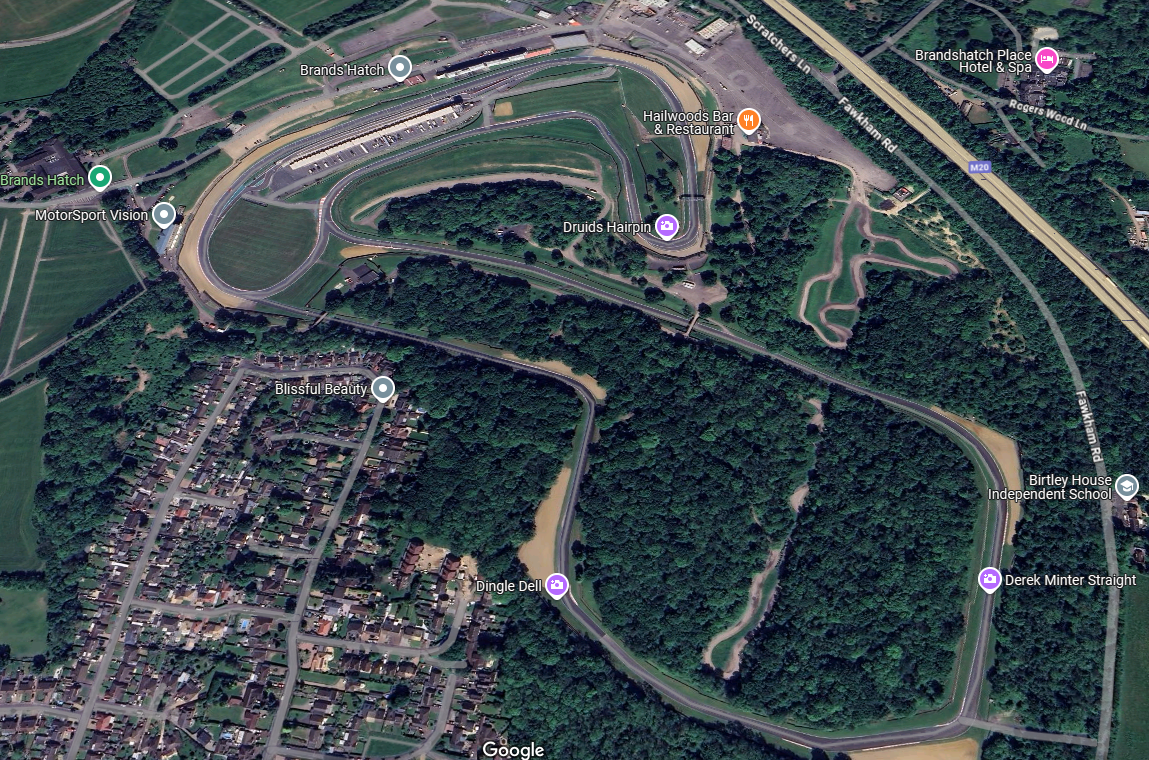
Learn the Circuit and Work With the Limitations
The biggest difference between accredited and non-accredited photography is access. Without a media pass, you’ll be shooting from general admission areas, grandstands, and public spectator zones. Rather than seeing this as a disadvantage, treat it as part of the challenge.
Many circuits actually offer excellent public viewpoints if you take the time to explore them properly. Arriving early is essential. It allows you to walk the venue, assess lighting conditions, and identify the best locations before the crowds arrive.
Studying circuit maps and watching previous race footage can also help you understand where the best action happens. Fast corners, heavy braking zones, and elevation changes often create the most dramatic images. Banking and raised spectator areas can also provide cleaner sightlines over barriers and fencing.
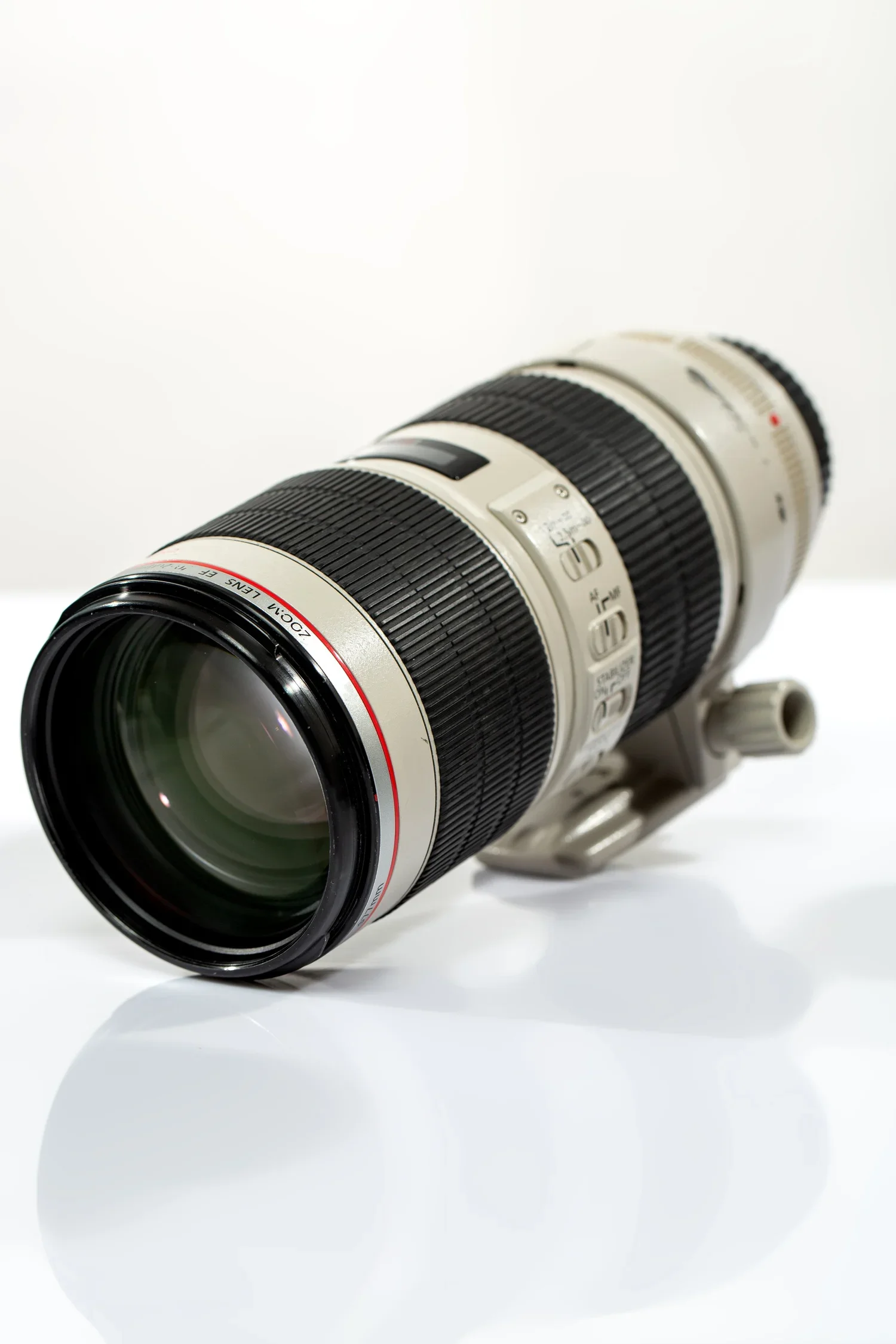
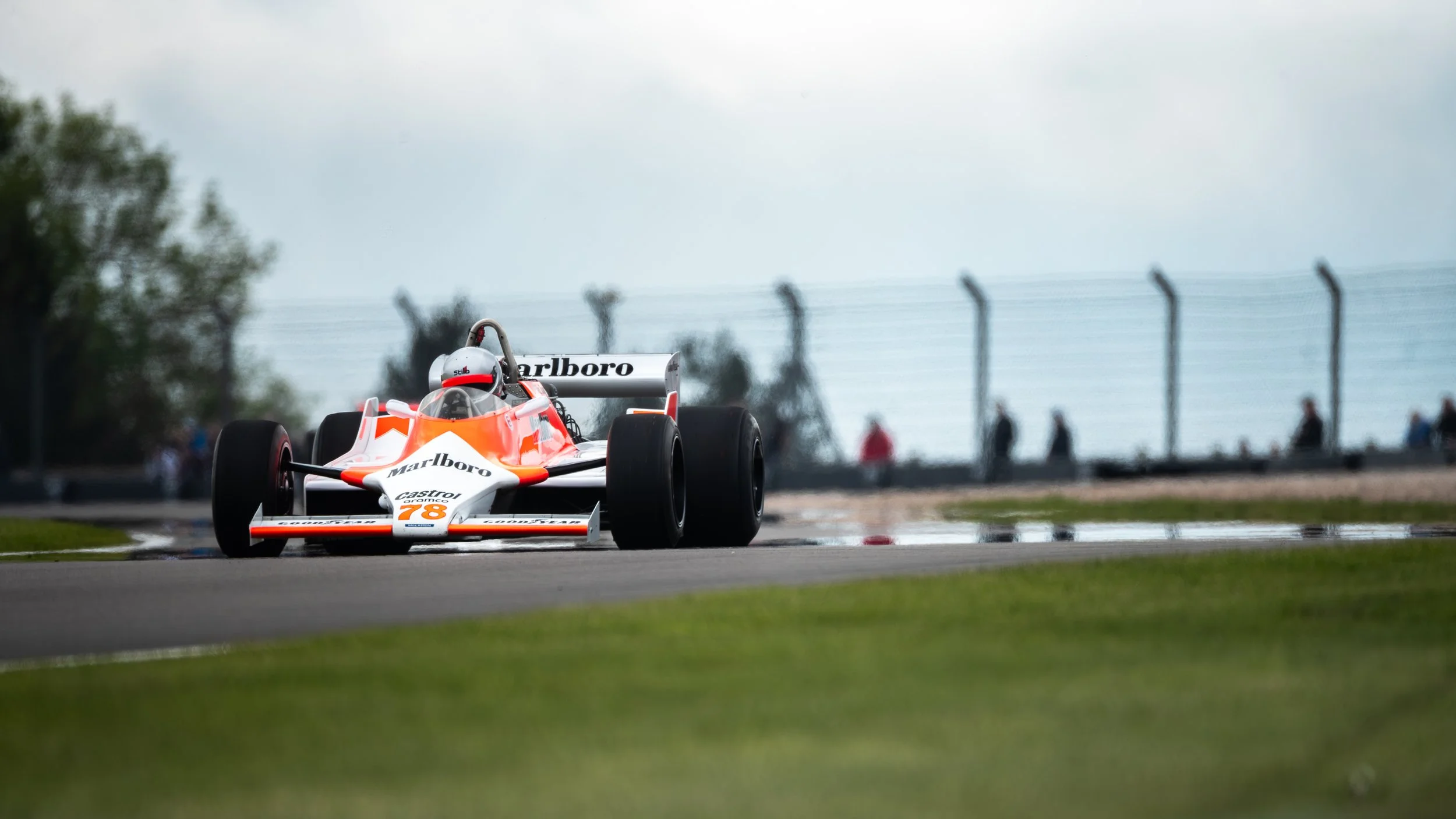
A longer focal length is especially useful when shooting from spectator areas, helping to compress the scene and isolate the cars from distracting backgrounds.
Choosing the Right Equipment
You don’t need an expensive professional setup to photograph motorsport successfully, but the right equipment certainly makes the job easier.
A DSLR or mirrorless camera with fast autofocus and a decent burst rate is ideal. Pair this with a telephoto lens — something in the 70–300mm or 100–400mm range is perfect for most circuits. Prime lenses such as a 300mm or 400mm can deliver exceptional image quality if you have the budget and shooting space.
Useful additions include:
A monopod for stability during long shooting sessions
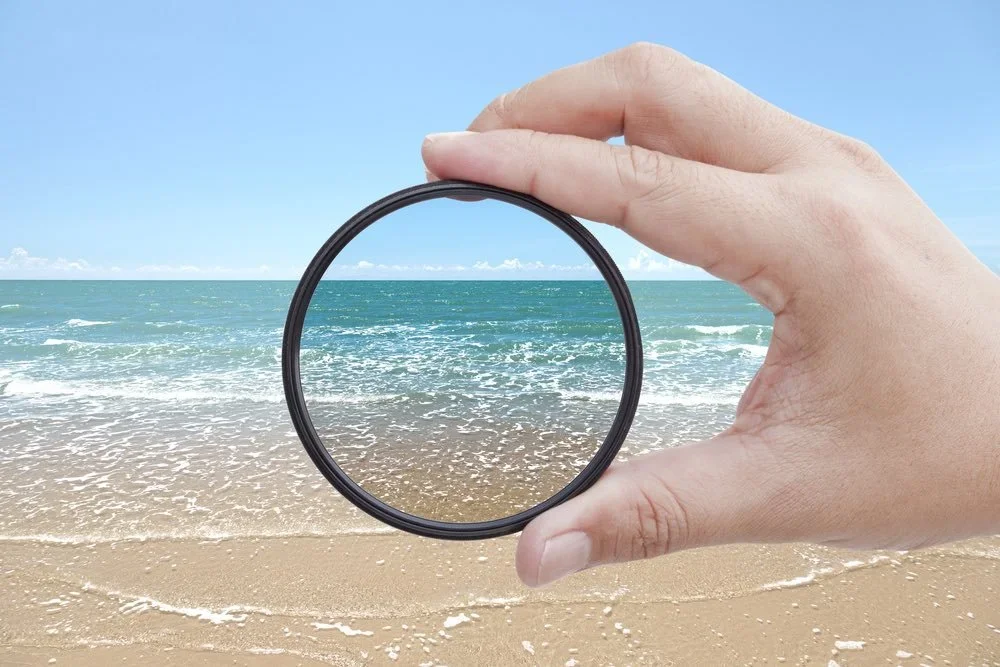
A circular polariser to reduce glare on cars and windscreens
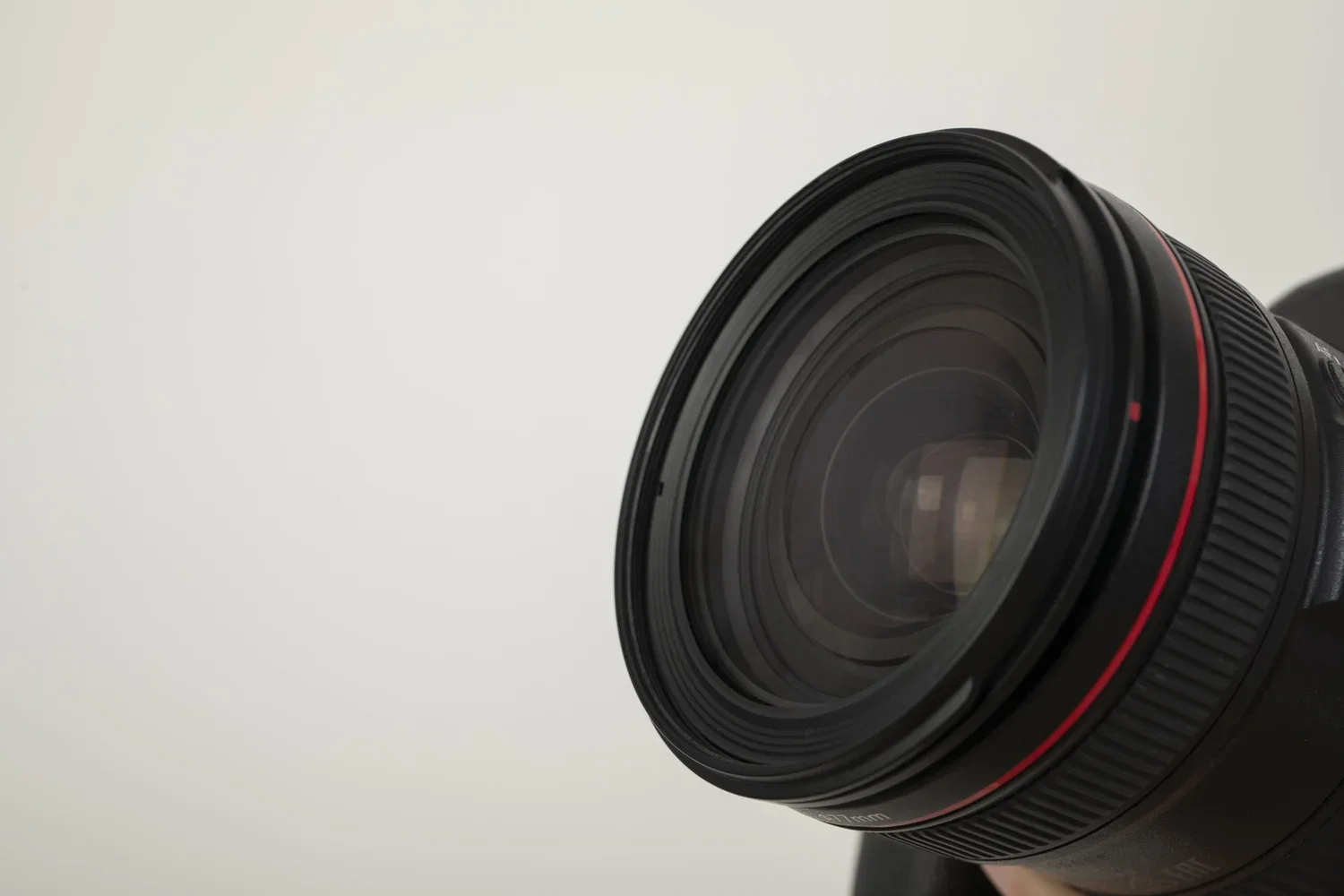
ND filters for creative slow-shutter panning in bright conditions
Ultimately, good technique matters far more than owning the latest gear.
Using Fences to Your Advantage
For non-accredited photographers, fencing is often the biggest obstacle. However, with the right approach, it doesn’t have to ruin your images.
One of the most effective techniques is to shoot with a wide aperture — somewhere between f/2.8 and f/5.6. If you position your lens as close to the fence as possible, the shallow depth of field will blur the fencing almost completely out of view.
Some circuits also include designated photography holes within spectator fencing. These can offer excellent shooting opportunities, although they are often busy during major events.
Instead of constantly fighting the fencing, you can also use it creatively. Allowing part of the fence to blur into the foreground can add depth and create a more immersive, trackside feel to your images.
Mastering the Art of Panning
Motorsport photography is not just about freezing action. Some of the most dynamic images come from panning — tracking the car with a slower shutter speed to create motion blur in the background while keeping the subject sharp.
Panning is a skill that takes practice, but it’s one of the most rewarding techniques in motorsport photography.
A good starting point is around 1/250s shutter speed. As your confidence improves, gradually work down to 1/125s, 1/80s, or even slower for more dramatic results.
To improve your hit rate:
Use continuous autofocus mode (AI Servo / AF-C)
Shoot in burst mode
Keep your movement smooth and controlled
Follow the car naturally through the corner
Even experienced photographers throw away plenty of panning shots, so persistence is key.
Capture More Than Just the Cars
The racing itself may be the headline act, but motorsport events are full of stories beyond the circuit.
Some of the most memorable images often come away from the track action entirely. Fans in team colours, mechanics preparing cars, drivers interacting with supporters, and the atmosphere in the grandstands all help tell the wider story of an event.
Take advantage of public access opportunities such as:
Pit walks
Driver autograph sessions
Car displays
Support paddocks
Fan zones
Wide-angle shots showing the scale of the venue or crowds can also add variety to your portfolio and help document the overall experience of race day.
Respect the Rules and Stay Safe
No photograph is worth risking your safety or breaking circuit regulations.
Always remain within spectator areas and respect marshals, barriers, and restricted zones. Circuits enforce these rules for good reason, and attempting to bypass them can lead to removal from the venue — or damage future opportunities to gain accreditation legitimately.
Professionalism starts long before you receive a media pass.
Build Your Portfolio and Develop Your Network
Every race meeting is an opportunity to improve your photography and grow your portfolio.
Many professional motorsport photographers began shooting from the spectator areas before eventually gaining accredited access. Consistently producing strong images, sharing your work online, and building relationships within the motorsport community can gradually open doors.
Smaller race teams, club-level series, and local championships are often far more accessible and can provide valuable experience while helping you establish connections within the industry.
You don’t need accreditation to create compelling motorsport photography. With preparation, patience, and creativity, spectator areas can still provide incredible opportunities to capture the speed, intensity, and emotion of racing.
The key is learning how to work with the limitations rather than against them. Every event becomes a chance to refine your technique, build your portfolio, and develop your eye as a photographer.
Because at the end of the day, great motorsport photography isn’t defined by where you stand — it’s defined by how you see the action.