
Beginner’s Guide to Motorsport Photography
Motorsport photography is about far more than pointing a camera at fast cars. It’s about freezing a split second of speed, tension, emotion, and drama into a single frame. From the roar of engines on the grid to the celebration after the chequered flag, every race weekend is filled with moments waiting to be captured.
For beginners, motorsport photography can feel overwhelming at first. Cars move quickly, lighting constantly changes, and getting the perfect shot takes patience and practice. But with the right approach, it becomes one of the most rewarding forms of photography to learn.
This guide covers the essential gear, camera settings, techniques, and mindset needed to improve your motorsport photography and build confidence trackside.
1. Choosing the Right Gear
One of the biggest misconceptions about motorsport photography is that you need an expensive professional setup to get started. In reality, strong technique matters far more than owning the latest camera body.
Camera Bodies
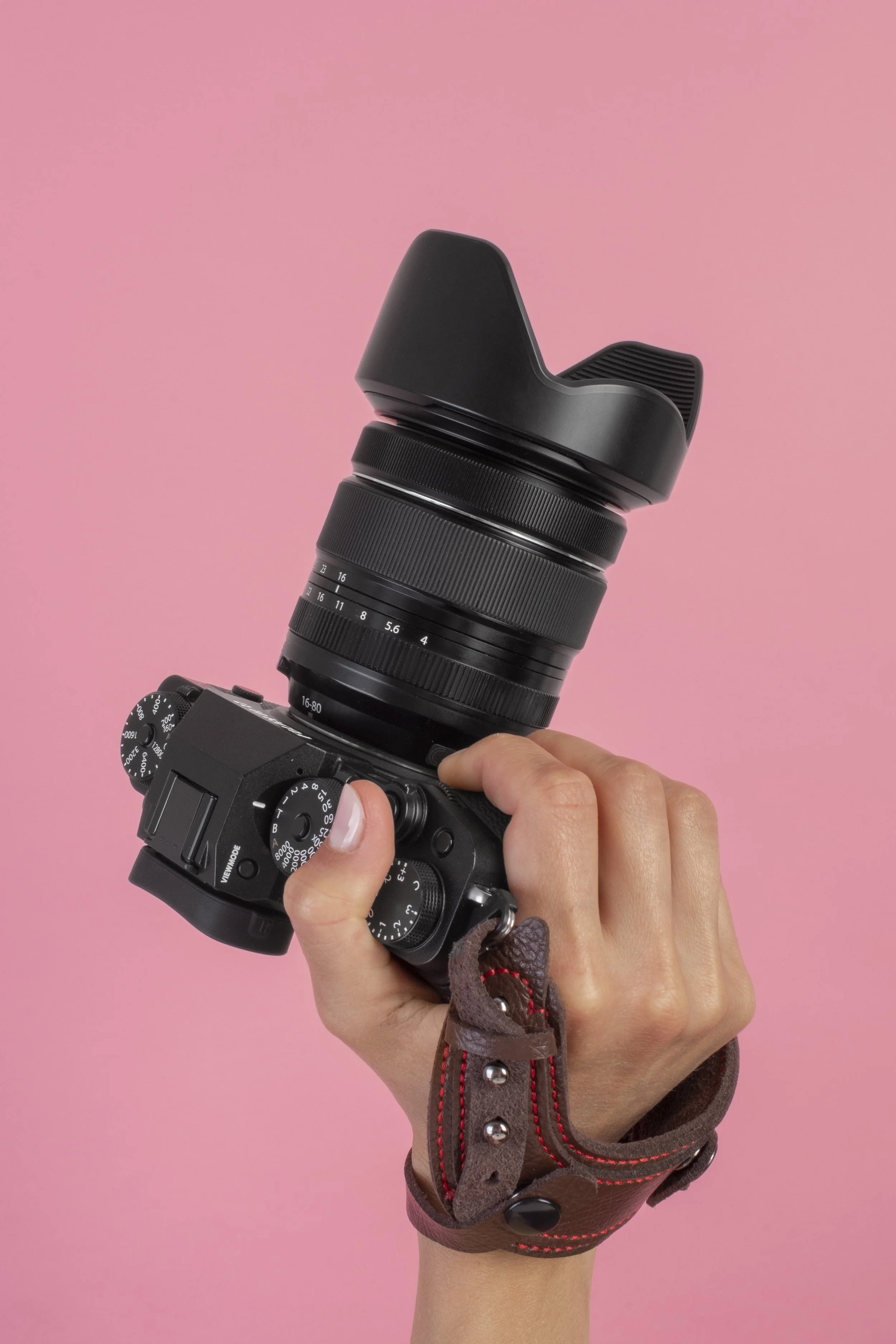
A DSLR or mirrorless camera with manual controls and a decent burst rate is more than enough for beginners. A camera capable of shooting around 5 frames per second or more will comfortably handle most racing situations.
Brands such as Canon, Nikon, Sony, and Fujifilm all offer excellent entry-level and mid-range options that perform well for motorsport photography.
Lenses
A telephoto zoom lens is one of the most useful tools you can own for track photography. Lenses such as a 70–200mm or 100–400mm allow you to safely shoot from spectator areas while still capturing close, detailed images of the action.
If you are working on a tighter budget, third-party lenses from Sigma or Tamron provide excellent value. When I first started in photography, I used a Sigma 150–600mm lens, which remains one of the best beginner-friendly motorsport lenses I would recommend today.
Other Useful Essentials
A few additional accessories can make a race weekend much easier:
Extra batteries for long shooting days
Fast memory cards with strong write speeds for continuous bursts
A monopod for support when using heavier lenses
A rain cover to protect equipment during unpredictable weather
Most importantly, avoid falling into the trap of gear envy. Incredible motorsport images are created every weekend using modest equipment. Developing your timing, positioning, and creativity will always matter more than the price of your camera.
2. Understanding Camera Settings for Motorsport
Moving away from automatic mode is one of the biggest steps toward improving your photography. Motorsport photography relies heavily on controlling shutter speed and focus.
Shutter Speed
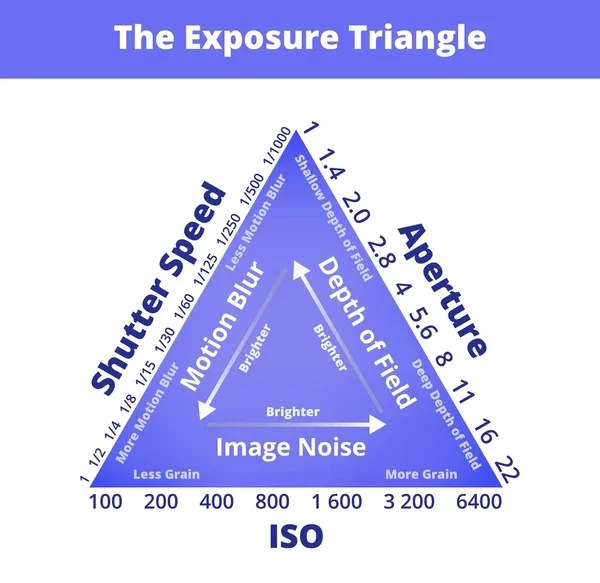
Your shutter speed determines whether you freeze motion or create a sense of speed.
For sharp action shots, such as cars accelerating down a straight or battling through corners, use shutter speeds between 1/1000s and 1/2000s.
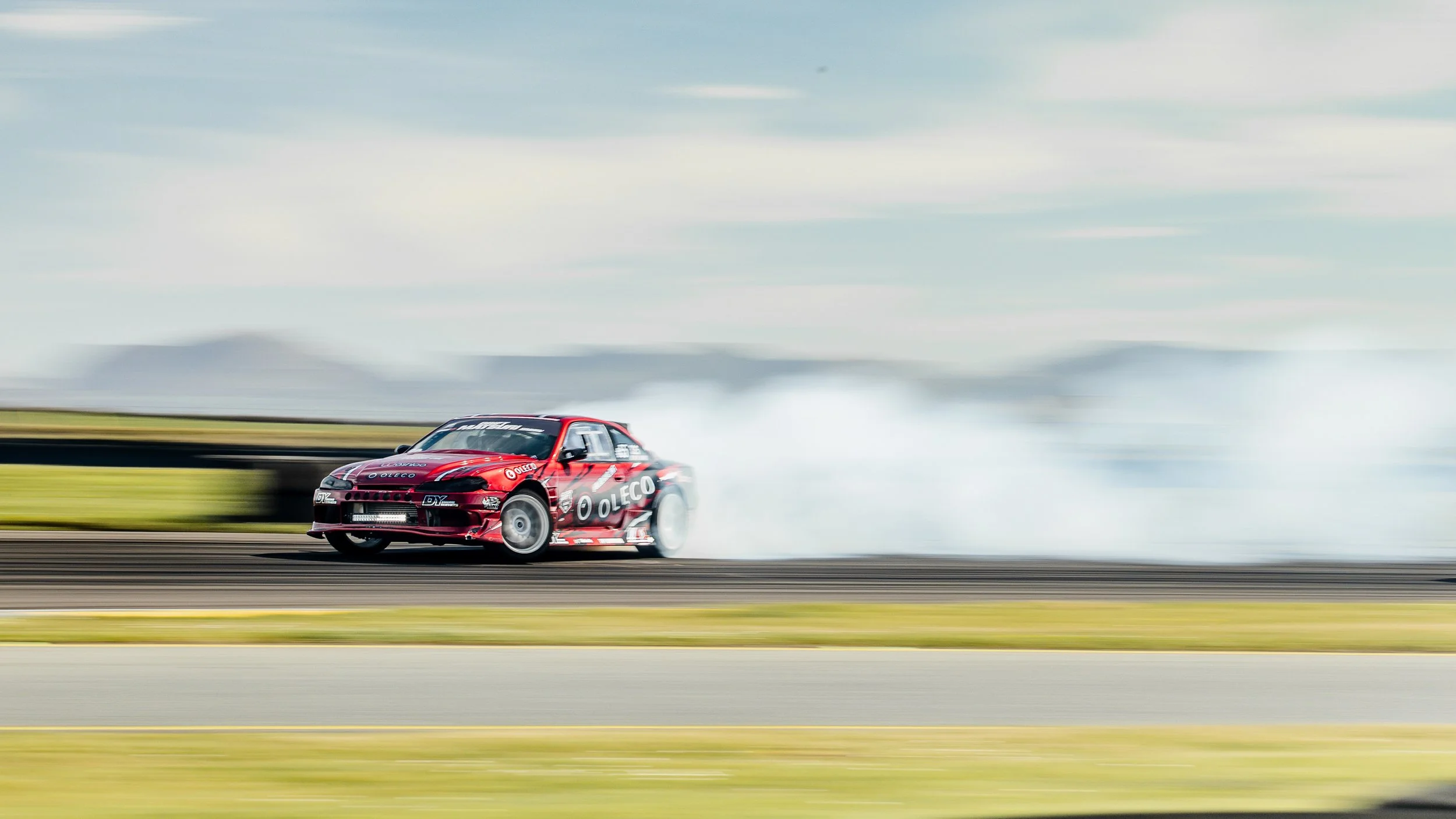
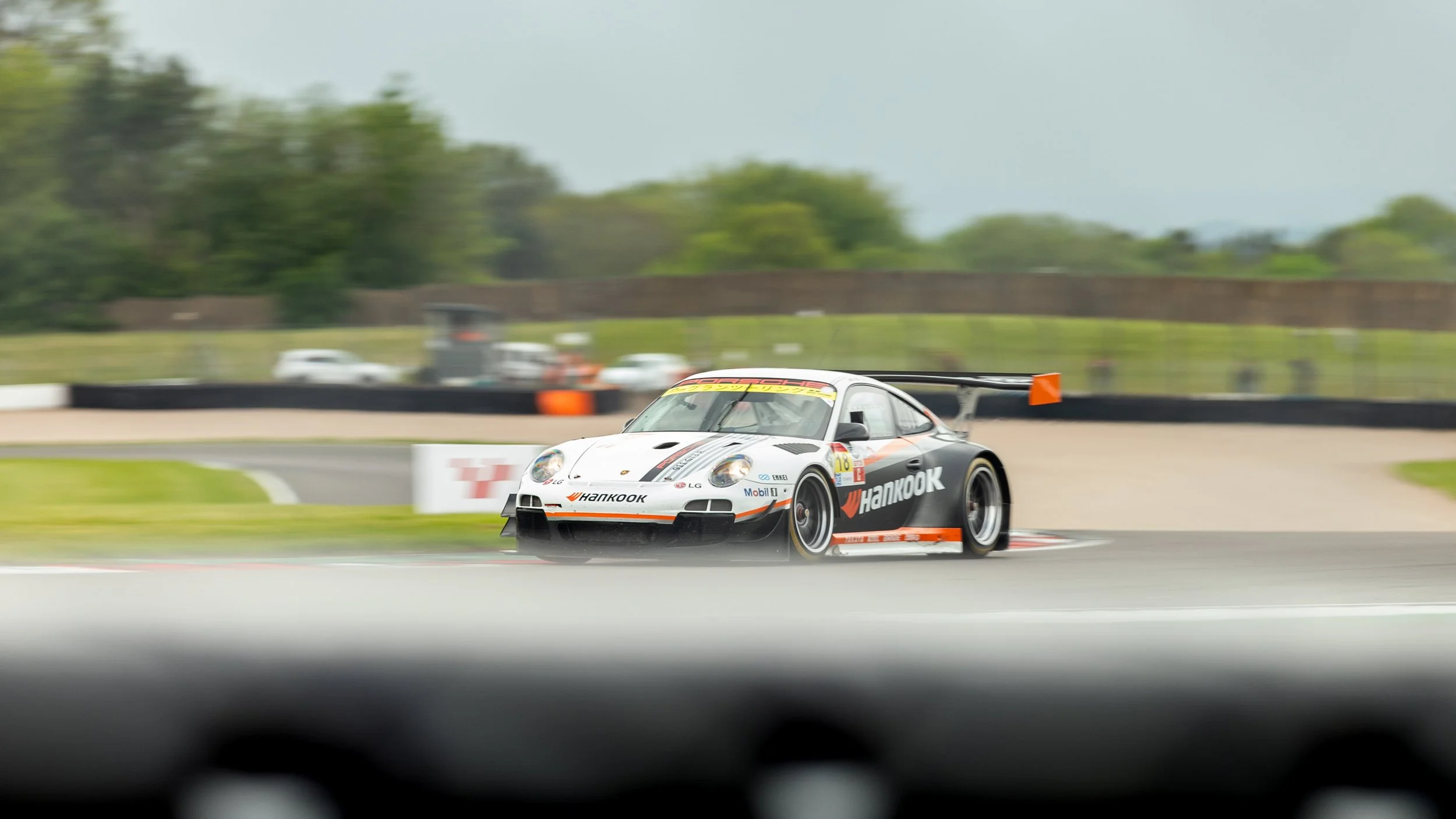
For panning shots, where the car remains sharp while the background blurs with motion, slower shutter speeds work best. Start around 1/250s and gradually work your way slower as your technique improves.
Aperture
An aperture between f/4 and f/5.6 is ideal for most motorsport situations. This helps isolate the subject while still keeping enough of the car in focus.
Wider apertures like f/2.8 can be useful in low-light conditions, but they require much more precise focus.
ISO
In daylight conditions, keep your ISO relatively low, typically between 100 and 400.
When conditions become darker or overcast, don’t be afraid to increase it. Modern cameras handle higher ISO values far better than many beginners expect.
Focus Settings
Continuous autofocus is essential for motorsport photography. Use:
AI Servo on Canon cameras
AF-C on Nikon and Sony cameras
Track the front third of the car whenever possible, as this usually produces the sharpest and most balanced results.
A great way to practice these settings is by photographing moving traffic, cyclists, or local car meets before heading to a race circuit.
3. Mastering the Art of Panning
Panning is one of the most iconic techniques in motorsport photography because it creates a genuine feeling of speed and movement.
It can also be one of the most difficult skills to learn.
To practice panning:
Stand parallel to the track
Use a slower shutter speed, around 1/200s to begin with
Lock focus onto the car
Follow the car smoothly with your body as it passes
Continue moving even after pressing the shutter
With enough practice, you will eventually feel comfortable shooting at slower speeds such as 1/100s or even 1/60s, creating dramatic motion blur while keeping the subject sharp.
The key is smooth movement and consistency. Most failed panning shots come from jerky motion or stopping the movement too early.
4. Finding the Best Locations Around the Track
Track position can completely transform the quality of your images.
Before the event begins, spend time exploring the circuit or studying onboard footage and track maps online. Understanding how cars move through certain sections will help you anticipate better shots.
Best Areas to Shoot
Braking Zones
Cars slow down heavily here, making it easier to capture sharp images and aggressive body movement.
Corner Exits
These areas often produce dramatic acceleration shots, wheelspin, and oversteer.
Elevated Areas
Grandstands, hills, and bridges can provide unique perspectives that stand out from standard trackside angles.
Fence Gaps and Openings
Many circuits have specific gaps designed for photographers. Learning where these are located can significantly improve your composition.
Don’t ignore the paddock area either. Some of the strongest storytelling images happen away from the circuit itself — mechanics preparing cars, drivers focusing before sessions, or emotional post-race moments.
5. Telling a Story Through Your Images
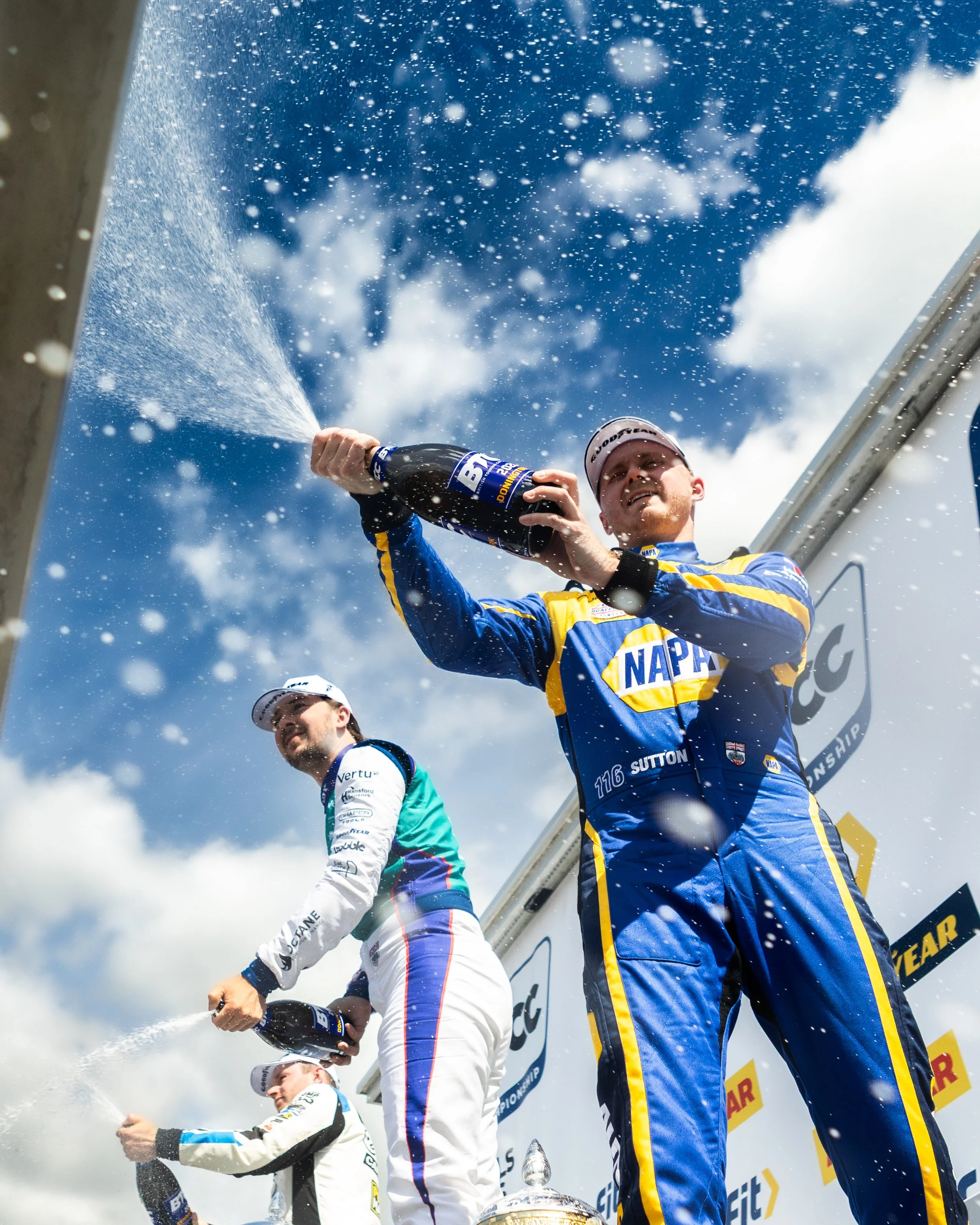
The best motorsport photography is about more than documenting cars on track. It captures atmosphere, emotion, and narrative.
Try to think beyond pure action shots.
Before the Race
Team preparation
Driver concentration
Fans arriving at the circuit
During the Race
Close wheel-to-wheel battles
Tire smoke and sparks
Pit stop intensity
Changing weather conditions
After the Race
Celebrations
Frustration and disappointment
Team reactions
Exhaustion and relief
Human moments often make the strongest images because they create emotional connection.
Small details matter too:
Helmet reflections
Tire marbles
Rain droplets
Brake glow
Hands on steering wheels
Mechanics at work
These details help build a more complete and professional portfolio.
6. Finding the Best Locations Around the Track
Editing is where your raw files become polished final images. Good post-processing should enhance the atmosphere of a photo without making it feel unnatural.
Focus on:
Exposure and Contrast
Balance bright skies with darker track areas to maintain detail throughout the image.
Colour
Adjust colours carefully to create mood and consistency while keeping sponsor colours and liveries accurate.
Sharpness and Clarity
Use these tools subtly. Over-editing quickly makes motorsport photos look harsh and artificial.
Cropping
A strong crop can improve composition and direct attention toward the action.
Popular editing software includes:
Adobe Lightroom
Capture One
ON1 Photo RAW
Luminar
For beginners, even mobile apps such as Snapseed can be a great starting point.
Developing a consistent editing style will help your work become more recognizable over time.
7. Building Experience and Growing Your Presence
Like any form of photography, improvement comes from repetition and experience.
Attend as many events as possible:
Club racing
Track days
Drift events
Autocross
Car meets
The more you shoot, the better your timing, anticipation, and confidence will become.
Build a Portfolio
Create an online space to showcase your work using platforms such as:
SmugMug
Squarespace
Adobe Portfolio
Use Social Media Strategically
Instagram remains one of the strongest platforms for motorsport photographers. Share your best work consistently, use relevant hashtags, and tag teams, drivers, and organisers whenever appropriate.
Many teams and drivers actively repost strong photography, helping your work reach larger audiences.
Network Trackside
Motorsport photography is heavily relationship-driven. Introduce yourself to teams, organisers, marshals, and fellow photographers. Being professional, approachable, and reliable often creates more opportunities than technical skill alone.
Offering free coverage at local events can also help build experience, contacts, and credibility early on.
Motorsport photography combines technical skill, creativity, timing, and passion for racing. There will be frustrating days — missed focus, poor weather, difficult lighting, or shots that simply do not work.
That is part of the process.
Every event teaches something new, and every session improves your understanding of the sport and your camera. The most important thing is to keep shooting, keep experimenting, and keep learning.
The racetrack is full of stories waiting to be captured — all you have to do is find them through your lens.